

Dink Without the Ache: How to Prevent Plantar Fasciitis on the Pickleball Court
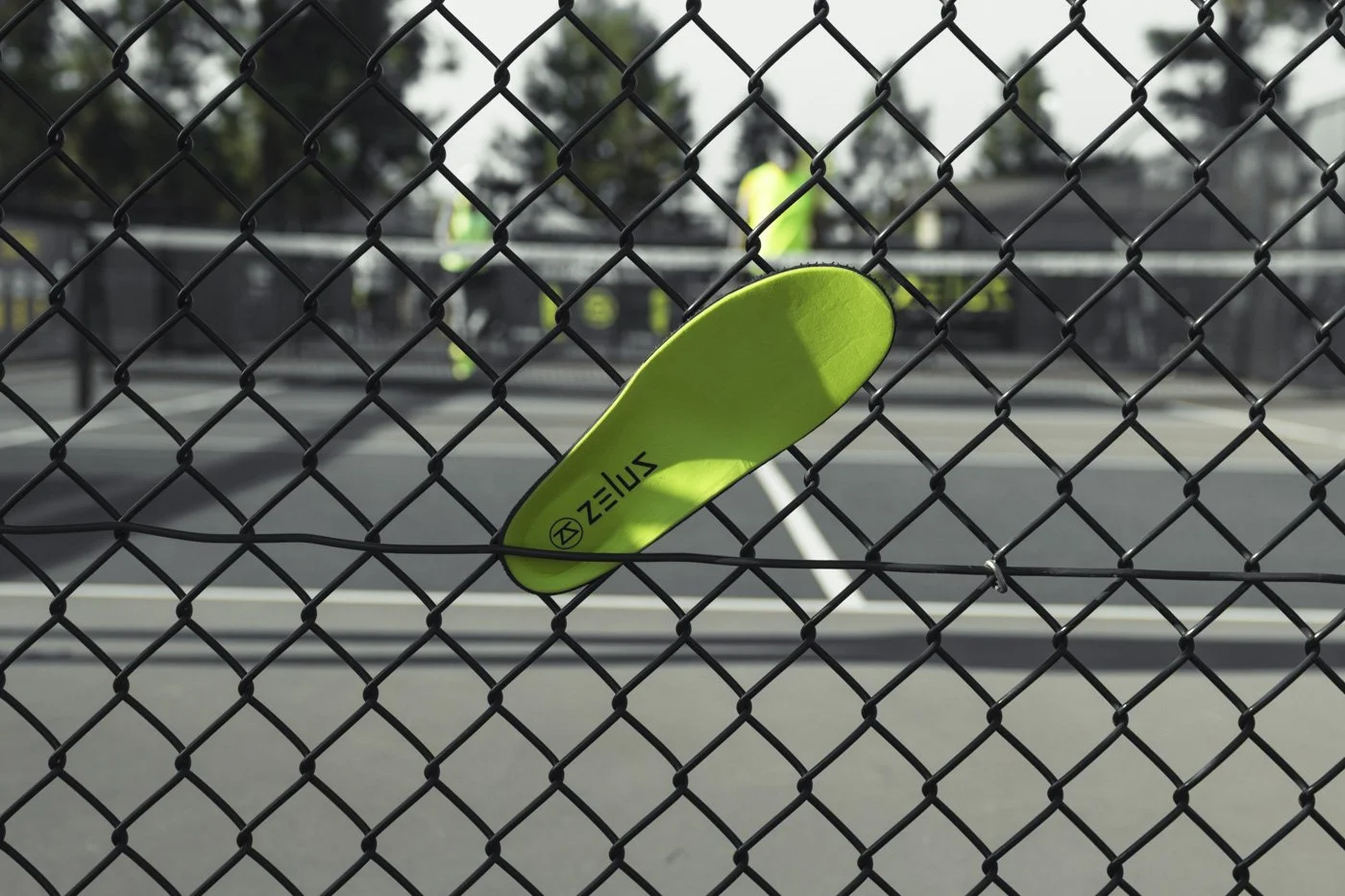
You know the feeling: you’re dominating the Kitchen line, perfectly placing your dinks, and anticipating the next volley. Pickleball is wildly addictive, but as anyone who plays regularly knows, it can also be brutally hard on your body.
While tennis elbows and tweaked knees get a lot of attention, one of the most common—and frustrating—injuries sending pickleball players to the sidelines is plantar fasciitis. That sharp, stabbing pain in your heel, especially during those first few steps out of bed in the morning, is enough to keep you off the court for weeks.
If you want to keep playing match after match without the ache, you have to protect your foundation. Here is exactly why pickleball is so hard on your feet, and how the right gear can keep you in the game.
The Biomechanics of the Court: A Recipe for Heel Pain
Pickleball requires a unique set of biomechanics. Unlike running, which is mostly linear, pickleball demands continuous, explosive lateral (side-to-side) movements. You are constantly lunging for drop shots, planting your feet hard to return a volley, and making rapid, jarring stops.
Combine these aggressive movements with the playing surface—usually unforgiving concrete or asphalt—and you create a perfect storm for foot injuries.
Every time you slam your foot down to change direction, the impact sends shockwaves through your foot. Over time, these repeated impacts cause micro-traumas to the plantar fascia, the thick band of tissue that connects your heel bone to your toes. When that tissue becomes inflamed or irritated from the constant pounding, you’ve got plantar fasciitis.
Why Your Standard Court Shoes Aren’t Enough
You might have invested in a great pair of court shoes, but the factory insoles inside them are usually just thin pieces of basic foam. Standard foam and gel inserts have a fatal flaw on the pickleball court: they "bottom out."
When you lunge aggressively, standard foam compresses completely flat under the intense pressure of your body weight. Once it bottoms out, it offers zero shock absorption, meaning the hard concrete court sends all that impact directly into your heel and arch.
The Zelus Solution: Absorbing the Impact with SmartCells
To actually protect your plantar fascia, you need an insole that can handle explosive movements without flattening and bottoming out. This is where Zelus PRO and SPORT insoles step in.
Built specifically for high-impact court sports, these insoles utilize patented SmartCells cushioning. Here is why upgrading your insoles is the ultimate cheat code for staying injury-free:
Impact Absorption That Resists Bottoming Out: Instead of a solid block of foam, SmartCells are designed like miniature rubber springs. When you plant your foot for a heavy shot, the cells compress to absorb the harsh impact of the concrete, but they resist bottoming out. Your heel is protected from the crushing force that causes micro-traumas.
Energy Return for Quicker Pivots: Because SmartCells are made of resilient rubber material, they bounce back instantly. As you push off to reach the next ball, that stored energy is returned to your foot, giving you an extra spring in your step and reducing overall leg fatigue.
Targeted Arch Support: Both the PRO and SPORT feature structural support that helps stabilize your foot during lateral shifts. By keeping your foot properly aligned, they help prevent the plantar fascia from overstretching during those wide side-to-side lunges.
3 Quick Tips to Keep Plantar Fasciitis Away
Pairing Zelus Insoles with a few smart habits will ensure you spend your weekends playing, not icing your feet:
Warm Up Your Calves: Tight calf muscles pull directly on the plantar fascia. Do 5 minutes of dynamic stretching (like heel drops on a stair) before you pick up your paddle.
Replace Your Shoes On Time: Even with great insoles, the structural integrity of your court shoes breaks down over time. Replace them every 6 months if you play multiple times a week.
Offload the Pressure Immediately: If you start feeling a dull ache in your heel, don't wait for it to become a sharp stabbing pain. Drop a pair of Zelus Insoles into your shoes to help offload the pressure and give that tissue a chance to heal while you play.
See You at the Kitchen
You shouldn't have to choose between playing the sport you love and living with foot pain. By understanding how the hard court impacts your feet and equipping your shoes with gear designed to handle explosive, lateral movements, you can protect your plantar fascia for the long haul.
Slide a pair of Zelus PRO or SPORT insoles into your court shoes, and get back to focusing on your next winning shot - not your aching feet.